This page contains paid links (Amazon Associates).
As an Amazon Associate I earn from qualifying purchases.
2x4 Actual Size: A 2×4 Is 1.5×3.5 in, Not 2×4 in
Key lumber sizes compared
-
 NIST PS 20-25
1×4 board
0.75 × 3.5 in (19 × 89 mm)
NIST PS 20-25
1×4 board
0.75 × 3.5 in (19 × 89 mm)
-
 NIST PS 20-25
2×4 board
1.5 × 3.5 in (38 × 89 mm)
NIST PS 20-25
2×4 board
1.5 × 3.5 in (38 × 89 mm)
-
 NIST PS 20-25
2×6 board
1.5 × 5.5 in (38 × 140 mm)
NIST PS 20-25
2×6 board
1.5 × 5.5 in (38 × 140 mm)
-
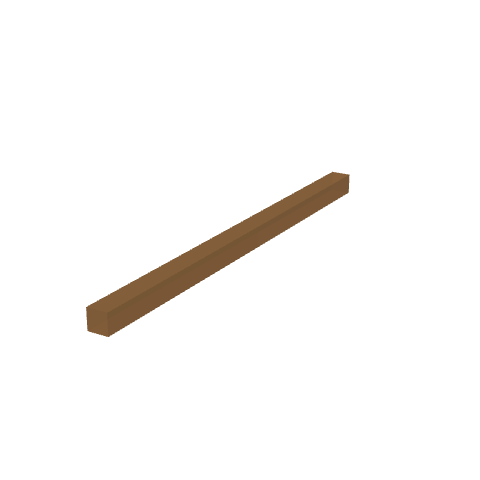 NIST PS 20-25
4×4 post
3.5 × 3.5 in (89 × 89 mm)
NIST PS 20-25
4×4 post
3.5 × 3.5 in (89 × 89 mm)
-
 NIST PS 20-25
1×6 board
0.75 × 5.5 in (19 × 140 mm)
NIST PS 20-25
1×6 board
0.75 × 5.5 in (19 × 140 mm)
-
 NIST PS 20-25
2×8 board
1.5 × 7.25 in (38 × 184 mm)
NIST PS 20-25
2×8 board
1.5 × 7.25 in (38 × 184 mm)
-
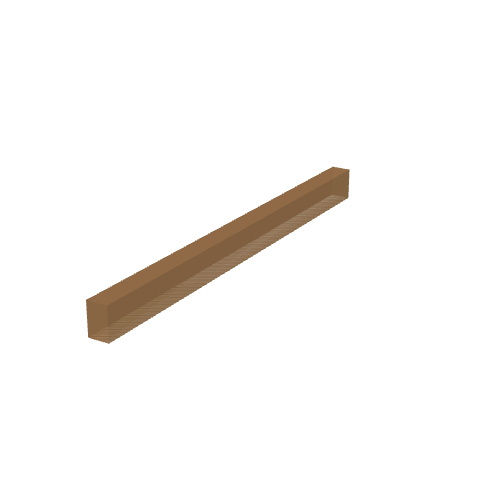 NIST PS 20-25
4×6 beam
3.5 × 5.5 in (89 × 140 mm)
NIST PS 20-25
4×6 beam
3.5 × 5.5 in (89 × 140 mm)
-
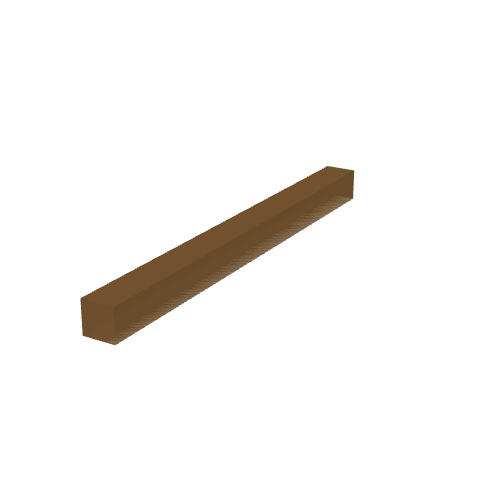 NIST PS 20-25
6×6 post
5.5 × 5.5 in (140 × 140 mm)
NIST PS 20-25
6×6 post
5.5 × 5.5 in (140 × 140 mm)
The short answer
- 2×4 actual size1.5×3.5 in (38×89 mm) — 0.5 in narrower and 0.5 in thinner than the name implies
- 1×4 actual size0.75×3.5 in (19×89 mm) — same width as a 2×4, half the thickness
- Why smallerNominal names come from the rough green size. Drying shrinks the wood; surfacing removes more material. PS 20-25 sets the resulting minimum dry dressed dimensions.
- RuleNominal 1 in → 3/4 in actual. Nominal 2–3 in → actual minus 1/2 in. Nominal 4 in and up → actual minus 1/2 in.
See the sizes in AR (shown as boxes)
The four sizes as boxes at their published dimensions
Preparing 3D…
1 1×42 2×43 4×44 6×6
On a phone, the "View in your room (AR)" button places the boxes in your room. The boxes are locked to the published dimensions and cannot be resized. They show size only and are not 3D replicas of the products.
Cross-sections drawn to the same scale
Full size table: 1×2 through 6×6
All dimensions are dressed dry (S-DRY / KD) per NIST PS 20-25. "Dressed dry" means surfaced after drying to a moisture content of 19% or less.
| Nominal size | Actual size (in) | Actual size (mm) | Difference from nominal |
|---|---|---|---|
| 1×2 | 3/4 × 1 1/2 in | 19 × 38 mm | −1/4 in thick, −1/2 in wide |
| 1×3 | 3/4 × 2 1/2 in | 19 × 64 mm | −1/4 in thick, −1/2 in wide |
| 1×4 | 3/4 × 3 1/2 in | 19 × 89 mm | −1/4 in thick, −1/2 in wide |
| 1×5 | 3/4 × 4 1/2 in | 19 × 114 mm | −1/4 in thick, −1/2 in wide |
| 1×6 | 3/4 × 5 1/2 in | 19 × 140 mm | −1/4 in thick, −1/2 in wide |
| 1×8 | 3/4 × 7 1/4 in | 19 × 184 mm | −1/4 in thick, −3/4 in wide |
| 1×10 | 3/4 × 9 1/4 in | 19 × 235 mm | −1/4 in thick, −3/4 in wide |
| 1×12 | 3/4 × 11 1/4 in | 19 × 286 mm | −1/4 in thick, −3/4 in wide |
| 2×2 | 1 1/2 × 1 1/2 in | 38 × 38 mm | −1/2 in each face |
| 2×3 | 1 1/2 × 2 1/2 in | 38 × 64 mm | −1/2 in thick, −1/2 in wide |
| 2×4 | 1 1/2 × 3 1/2 in | 38 × 89 mm | −1/2 in thick, −1/2 in wide |
| 2×6 | 1 1/2 × 5 1/2 in | 38 × 140 mm | −1/2 in thick, −1/2 in wide |
| 2×8 | 1 1/2 × 7 1/4 in | 38 × 184 mm | −1/2 in thick, −3/4 in wide |
| 2×10 | 1 1/2 × 9 1/4 in | 38 × 235 mm | −1/2 in thick, −3/4 in wide |
| 2×12 | 1 1/2 × 11 1/4 in | 38 × 286 mm | −1/2 in thick, −3/4 in wide |
| 4×4 | 3 1/2 × 3 1/2 in | 89 × 89 mm | −1/2 in each face |
| 4×6 | 3 1/2 × 5 1/2 in | 89 × 140 mm | −1/2 in each face |
| 6×6 | 5 1/2 × 5 1/2 in | 140 × 140 mm | −1/2 in each face |
Millimeters converted at 1 in = 25.4 mm and rounded to the nearest mm. Fractions are exact per PS 20-25. Widths 6 in and under lose 1/2 in; widths 8 in and above lose 3/4 in (7.25 in = 7 1/4 in for 8-in nominal, 9.25 in = 9 1/4 in for 10-in nominal, 11.25 in = 11 1/4 in for 12-in nominal).
What the numbers mean
Every dimension in the table is smaller than the name. Two shrinkage steps cause this: drying removes moisture and shrinks the wood; surfacing (running the board through a planer) removes additional material to produce smooth, uniform faces.
The 1-in series always ends up 3/4 in thick. The 2-in series always ends up 1-1/2 in thick. For widths up through 6 in, each face loses 1/4 in (1-series) or 1/2 in (2-series and up). For widths 8 in and above, the width loss is 3/4 in instead of 1/2 in.
A 2×4 and a 1×4 have the same 3-1/2 in (89 mm) width. The only difference is thickness: 1-1/2 in (38 mm) for a 2×4 versus 3/4 in (19 mm) for a 1×4. When planning a project, use the actual dimensions in the table — not the nominal name — for cuts, gaps, and load calculations.
Product links
FAQ
What is the actual size of a 2×4?
A 2×4 board measures 1.5×3.5 in (38×89 mm). The name "2×4" refers to the rough-sawn green size. Drying shrinks the wood and surfacing (planing) removes additional material, leaving a dry dressed board at 1.5×3.5 in. Source: NIST PS 20-25 American Softwood Lumber Standard.
What is the actual size of a 1×4?
A 1×4 board measures 0.75×3.5 in (19×89 mm). The nominal thickness of 1 in reduces to 3/4 in after drying and surfacing. The width follows the same pattern as a 2×4 — both are 3.5 in (89 mm) wide. Source: NIST PS 20-25.
Why are lumber sizes smaller than the name says?
The nominal name (2×4, 1×6, etc.) comes from the rough-sawn green dimensions before the board is dried and surfaced. Drying removes moisture and shrinks the wood; surfacing (running the board through a planer) removes additional material to produce a smooth, uniform face. NIST PS 20-25 sets the minimum dressed dry sizes that result from this process.
What is the actual size of a 4×4 post?
A 4×4 post measures 3.5×3.5 in (89×89 mm). Both faces shrink from the nominal 4 in to the dressed dry 3.5 in. Source: NIST PS 20-25 American Softwood Lumber Standard.
See also: Mattress Sizes: Twin to California King — bedroom footprints drawn to scale. Area Rug Sizes: 5×7, 8×10, and 9×12 ft — floor coverage drawn to scale.
Sources
- Dressed dry dimensions: NIST, "DOC PS 20-25 American Softwood Lumber Standard" (nist.gov/document/ps-20-25-final, checked 2026-10-03). PS 20 is the voluntary product standard maintained by ALSC under NIST oversight and sets the minimum dressed dry dimensions for North American softwood lumber.
- Millimeter conversions: 1 in = 25.4 mm (exact, per international inch definition), rounded to nearest mm.
- Credit card reference dimensions: ISO/IEC 7810 ID-1, 85.60×53.98 mm.