This page contains paid links (Amazon Associates).
As an Amazon Associate I earn from qualifying purchases.
ANSI Paper Sizes A–E: Aspect Ratio Alternates Between 17:22 (≈ 1.29) and 11:17 (≈ 1.55)
The five ANSI sizes compared
-
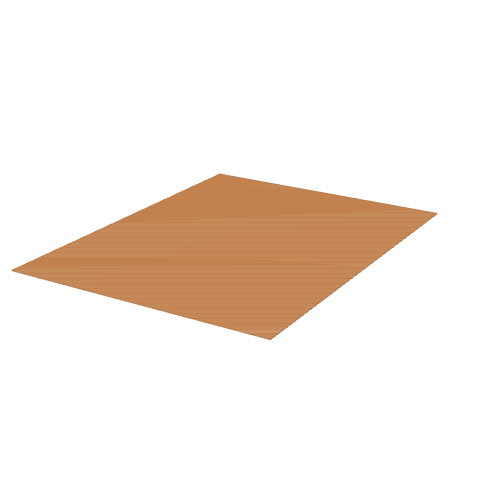 ASME Y14.1 (ANSI A)
US Letter paper
8.5 × 11 in (215.9 × 279.4 mm)
ASME Y14.1 (ANSI A)
US Letter paper
8.5 × 11 in (215.9 × 279.4 mm)
-
 ASME Y14.1 (ANSI B)
Tabloid paper (ANSI B)
11 × 17 in (279.4 × 431.8 mm)
ASME Y14.1 (ANSI B)
Tabloid paper (ANSI B)
11 × 17 in (279.4 × 431.8 mm)
-
 ASME Y14.1 (ANSI C)
ANSI C paper
17 × 22 in (431.8 × 558.8 mm)
ASME Y14.1 (ANSI C)
ANSI C paper
17 × 22 in (431.8 × 558.8 mm)
-
 ASME Y14.1 (ANSI D)
ANSI D paper
22 × 34 in (558.8 × 863.6 mm)
ASME Y14.1 (ANSI D)
ANSI D paper
22 × 34 in (558.8 × 863.6 mm)
-
 ASME Y14.1 (ANSI E)
ANSI E paper
34 × 44 in (863.6 × 1117.6 mm)
ASME Y14.1 (ANSI E)
ANSI E paper
34 × 44 in (863.6 × 1117.6 mm)
The short answer
- ANSI A (Letter)8.5×11 in (216×279 mm) — aspect ratio 17:22 (≈ 1.29)
- ANSI B (Tabloid)11×17 in (279×432 mm) — aspect ratio 11:17 (≈ 1.55)
- ANSI C17×22 in (432×559 mm) — aspect ratio 17:22 (≈ 1.29)
- ANSI D22×34 in (559×864 mm) — aspect ratio 11:17 (≈ 1.55)
- ANSI E34×44 in (864×1118 mm) — aspect ratio 17:22 (≈ 1.29)
- vs ISO AISO A series holds a constant 1:√2 (≈ 1.41) at every step
See the sizes in AR (shown as boxes)
The four sizes as boxes at their published dimensions
Preparing 3D…
1 Letter2 Tabloid3 ANSI C4 ANSI E
On a phone, the "View in your room (AR)" button places the boxes in your room. The boxes are locked to the published dimensions and cannot be resized. They show size only and are not 3D replicas of the products.
Drawn to the same scale
Dimensions side by side
| Size | Inches | Millimeters | Aspect ratio |
|---|---|---|---|
| ANSI A (Letter) | 8.5 × 11 in | 215.9 × 279.4 mm | 17:22 (≈ 1.29) |
| ANSI B (Tabloid) | 11 × 17 in | 279.4 × 431.8 mm | 11:17 (≈ 1.55) |
| ANSI C | 17 × 22 in | 431.8 × 558.8 mm | 17:22 (≈ 1.29) |
| ANSI D | 22 × 34 in | 558.8 × 863.6 mm | 11:17 (≈ 1.55) |
| ANSI E | 34 × 44 in | 863.6 × 1117.6 mm | 17:22 (≈ 1.29) |
| ISO A4 (for reference) | 8.27 × 11.69 in | 210 × 297 mm | 1:√2 (≈ 1.41) |
Millimeter values are converted at 1 in = 25.4 mm. The inch dimensions are the primary standard (ASME Y14.1); millimeter values are derived. Aspect ratios are rounded to two decimal places.
What the numbers mean
Each ANSI size is exactly twice the area of the one before it. ANSI B (11×17 in) is two ANSI A sheets placed side by side along the 11 in edge. ANSI C (17×22 in) is two ANSI B sheets. The pattern continues through ANSI E.
What the doubling does not preserve is the shape. A letter-sized (ANSI A) layout has an aspect ratio of 17:22 (≈ 1.29). Scale it up to ANSI B, and the ratio shifts to 11:17 (≈ 1.55) — the page is proportionally taller. Scale again to ANSI C, and the ratio returns to 17:22 (≈ 1.29). This alternation means a drawing designed for ANSI B does not print correctly on ANSI C at 100% without adjusting the margins.
ISO A-series paper avoids this by using 1:√2 (approximately 1.414) at every step. Two A-series sheets placed side by side make the next larger A size with exactly the same shape. The ANSI series trades that geometric consistency for inch-friendly round numbers: 8.5, 11, 17, 22, 34, 44.
Product links
FAQ
What are the ANSI paper sizes A through E?
ANSI A is 8.5×11 in (216×279 mm). ANSI B is 11×17 in (279×432 mm). ANSI C is 17×22 in (432×559 mm). ANSI D is 22×34 in (559×864 mm). ANSI E is 34×44 in (864×1118 mm). All five are defined in ASME Y14.1.
Do ANSI paper sizes have the same aspect ratio as ISO A-series paper?
No. ISO A-series paper always has an aspect ratio of 1:√2 (approximately 1.414). ANSI sizes alternate between two aspect ratios: ANSI A, C, and E have an aspect ratio of 17:22 (short to long, ≈ 1.29), while ANSI B and D have a ratio of 11:17 (≈ 1.55). Because the shape changes at every step, an A-series layout does not carry over to the next ANSI size without new margins.
How do ANSI paper sizes relate to each other?
Each ANSI size is exactly double the previous one by area. ANSI B (11×17 in) is two ANSI A sheets side by side. ANSI C (17×22 in) is two ANSI B sheets. ANSI D (22×34 in) is two ANSI C sheets. ANSI E (34×44 in) is two ANSI D sheets. The doubling keeps the area consistent, but the aspect ratio alternates between 17:22 (≈ 1.29) and 11:17 (≈ 1.55) rather than staying fixed.
What is ANSI paper used for?
The ANSI series (defined in ASME Y14.1) was designed for engineering and technical drawings. ANSI A corresponds to US Letter (the everyday office sheet). ANSI B is Tabloid or Ledger (used in newspapers and oversized prints). ANSI C through E are used for large-format technical drawings, architectural plans, and engineering blueprints.
See also: A4 vs Letter — A4 (ISO 216) compared with ANSI A side by side. Tabloid (11×17) vs A3 — ANSI B meets its closest ISO counterpart.
Sources
- ANSI A–E dimensions: ASME Y14.1 (inch values primary). Confirmed via Wikipedia, "Paper size", ANSI/ASME Y14.1 table (en.wikipedia.org/wiki/Paper_size, checked 2026-10-03). The inch dimensions and the two alternating aspect ratios (17:22 and 11:17) match the values published in the ANSI Blog ("Standard Paper Sizes – ISO and ANSI Formats") and in ASME Y14.1.
- ISO A4 dimensions (for comparison): ISO 216, 210×297 mm.
- Credit card: ISO/IEC 7810 ID-1, 85.60×53.98 mm.