This page contains paid links (Amazon Associates).
As an Amazon Associate I earn from qualifying purchases.
Photo Print Sizes: 4×6 is 3:2, 5×7 is 7:5, 8×10 and 16×20 are 5:4, 11×14 is 14:11
The five print sizes compared
-
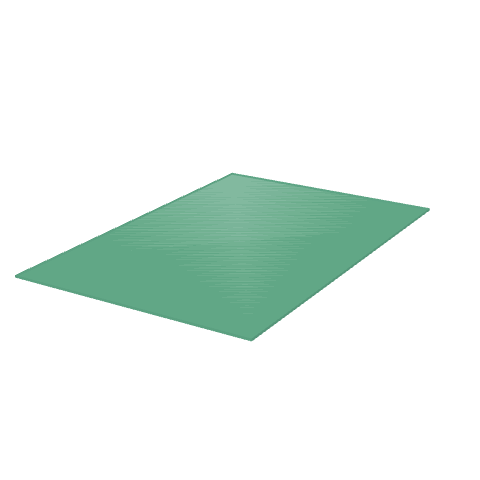 Photo print size
4×6 in photo print
4 × 6 in (102 × 152 mm)
Photo print size
4×6 in photo print
4 × 6 in (102 × 152 mm)
-
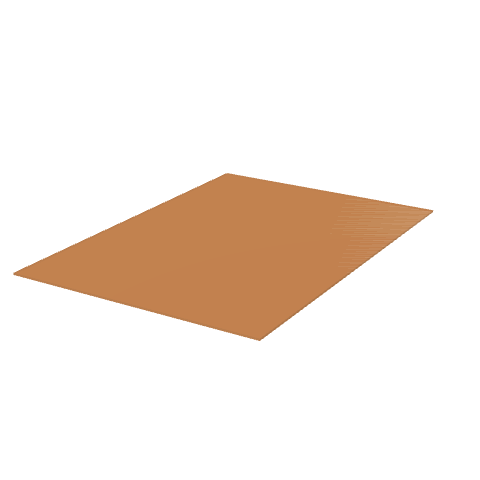 Photo print size
5×7 in photo print
5 × 7 in (127 × 178 mm)
Photo print size
5×7 in photo print
5 × 7 in (127 × 178 mm)
-
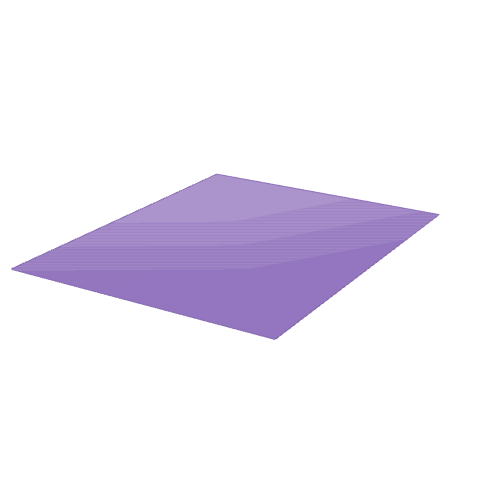 Photo print size
8×10 in photo print
8 × 10 in (203 × 254 mm)
Photo print size
8×10 in photo print
8 × 10 in (203 × 254 mm)
-
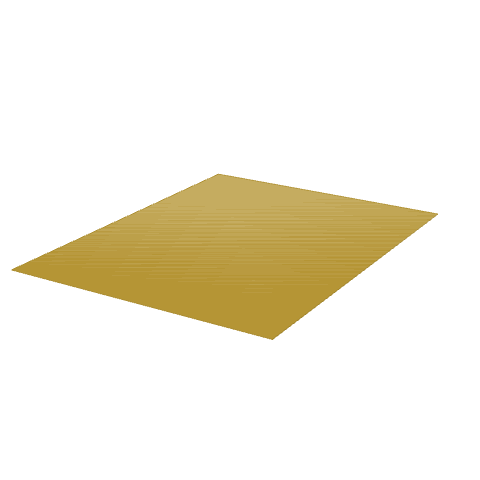 Photo print size
11×14 in photo print
11 × 14 in (279 × 356 mm)
Photo print size
11×14 in photo print
11 × 14 in (279 × 356 mm)
-
 Photo print size
16×20 in photo print
16 × 20 in (406 × 508 mm)
Photo print size
16×20 in photo print
16 × 20 in (406 × 508 mm)
The short answer
- 4×6 in102×152 mm — aspect ratio 3:2
- 5×7 in127×178 mm — aspect ratio 7:5
- 8×10 in203×254 mm — aspect ratio 5:4
- 11×14 in279×356 mm — aspect ratio 14:11
- 16×20 in406×508 mm — aspect ratio 5:4, exactly twice 8×10 on each side
- CroppingFour different shapes among the five sizes, so moving a photo between them means cropping one pair of edges or leaving white borders — except 8×10 to 16×20, which share a shape
See the sizes in AR (shown as boxes)
The four sizes as boxes at their published dimensions
Preparing 3D…
1 4×6 print2 5×7 print3 8×10 print4 16×20 print
On a phone, the "View in your room (AR)" button places the boxes in your room. The boxes are locked to the published dimensions and cannot be resized. They show size only and are not 3D replicas of the products.
Drawn to the same scale
Dimensions side by side
| Size | Inches | Millimeters | Aspect ratio | Area | Area vs 4×6 |
|---|---|---|---|---|---|
| 4×6 | 4×6 in | 102×152 mm | 3:2 | 24 in² (154.8 cm²) | 100% |
| 5×7 | 5×7 in | 127×178 mm | 7:5 | 35 in² (225.8 cm²) | 146% |
| 8×10 | 8×10 in | 203×254 mm | 5:4 | 80 in² (516.1 cm²) | 333% |
| 11×14 | 11×14 in | 279×356 mm | 14:11 | 154 in² (993.5 cm²) | 642% |
| 16×20 | 16×20 in | 406×508 mm | 5:4 | 320 in² (2064.5 cm²) | 1333% |
Millimeters converted at 1 in = 25.4 mm exactly and rounded to the nearest mm. The sizes themselves are defined in inches. Aspect ratios are written long side first. Area in cm² uses 1 in² = 6.4516 cm²; the percentage is the area divided by the area of a 4×6 (24 in²), rounded to whole percent.
Pixels at 150, 300 and 600 dpi
| Size | 150 dpi | 300 dpi | 600 dpi |
|---|---|---|---|
| 4×6 | 600 × 900 px | 1200 × 1800 px | 2400 × 3600 px |
| 5×7 | 750 × 1050 px | 1500 × 2100 px | 3000 × 4200 px |
| 8×10 | 1200 × 1500 px | 2400 × 3000 px | 4800 × 6000 px |
| 11×14 | 1650 × 2100 px | 3300 × 4200 px | 6600 × 8400 px |
| 16×20 | 2400 × 3000 px | 4800 × 6000 px | 9600 × 12000 px |
Pixel counts are the inch dimensions multiplied by the dots per inch. They say how many pixels fill the print at that density, not what any lab requires; check the lab's own guidance for the density it prints at.
What the numbers mean
The five sizes have four different aspect ratios: 3:2 (4×6), 7:5 (5×7), 5:4 (8×10 and 16×20) and 14:11 (11×14). A photo that fills one shape does not fill a different shape at the same proportions. When the lab fills the larger frame, it crops the edges that would otherwise fall outside.
Going from 4×6 (3:2) to 5×7 (7:5): scale the 4×6 to 5 inches wide and the height reaches 7.5 in — 0.5 in too tall for the 5×7 frame. The lab crops 0.25 in (6.35 mm) from the top and bottom, or you accept white borders on the left and right.
Going from 4×6 (3:2) to 8×10 (5:4): scale the 4×6 to 8 inches wide and the height reaches 12 in — 2 in too tall. The lab crops 1 in (25.4 mm) from the top and bottom, or you accept white borders on the sides. From 4×6 to 11×14 (14:11) the same happens at a larger scale: 11 inches wide gives 16.5 in of height, 2.5 in too tall, so 1.25 in (31.75 mm) goes from the top and bottom.
Going from 5×7 (7:5) to 8×10 (5:4): scale the 5×7 to 8 inches wide and the height reaches 11.2 in — 1.2 in too tall. The lab crops 0.6 in (15.2 mm) from the top and bottom, or you accept white borders on the sides.
8×10 to 16×20 is the one enlargement on this page with no cropping: both are 5:4, and 16×20 is exactly twice 8×10 on each side, four times the area. 8×10 and 11×14 are close but not the same shape (1.25 vs 1.27): scaled to 11 in wide, an 8×10 is 13.75 in tall, 0.25 in short of the 14 in frame, so either 0.125 in (3.2 mm) of white shows at the top and bottom, or scaling to the full 14 in height crops 0.1 in (2.5 mm) from each side. 11×14 to 16×20 runs the other way: at 16 in wide the height is 20.36 in, so 0.18 in (4.6 mm) is cropped from the top and bottom.
Product links
FAQ
Can I print a 4×6 photo as 8×10 without cropping?
No. A 4×6 photo has a 3:2 aspect ratio; an 8×10 print has a 5:4 ratio. Scale the 4×6 to 8 inches wide and the height reaches 12 in — 2 in taller than the 8×10 frame. The lab crops 1 in (25.4 mm) from the top and bottom, or you accept white borders on the sides.
Can I enlarge an 8×10 to 16×20 without cropping?
Yes. Both are 5:4 — 8:10 and 16:20 reduce to the same ratio — so a 16×20 is exactly twice the width and twice the height of an 8×10, four times the area, and nothing is cropped.
What is a 4×6 print in millimeters?
4×6 in converts to 101.6×152.4 mm at 1 in = 25.4 mm exactly, usually written as 102×152 mm. Kodak's printer documentation lists the same paper as 101×152 mm.
Which print size matches a 3:2 photo?
4×6 in. Its long side is 1.5 times its short side, the same as a 3:2 photo, so nothing is cropped. A 5×7 print is 7:5 (1.4), an 11×14 is 14:11 (about 1.27), and 8×10 and 16×20 are 5:4 (1.25), so a 3:2 photo loses part of its long side on all of them, or gets white borders.
Is wallet size a standard print size?
No single size. Shutterfly lists wallet prints as 2.5×3.5 in; Walgreens sells 2×3 in wallet prints. Because the two shapes differ (7:5 versus 3:2), check the lab's own size list before ordering.
See also: A4 vs Letter — the two standard office paper sizes drawn to the same scale. Poster Sizes: 18×24, 24×36 and 27×40 — the three most common US poster sizes compared.
Sources
- 4×6, 5×7 and 8×10 in as photo paper sizes: Kodak printer documentation, "Paper sizes" (resources.kodak.com, Handling Paper), checked 2026-09-29. It lists "4 x 6 in. / 101 x 152 mm", "5 x 7 in. / 127 x 178 mm" and "8 x 10 in. / 203 x 254 mm".
- 11×14 and 16×20 in are print sizes offered by US photo services, not a standard: Shutterfly, "Prints" (shutterfly.com/prints/), checked 2026-09-30, lists 4x6, 5x7, 8x10, 11x14, 16x20 and 20x30 and describes wallet prints as 2.5x3.5; Walgreens Photo, "Prints and enlargements" (photo.walgreens.com/store/prints-and-enlargements-details), checked 2026-09-30: "Poster sizes include 11x14, 12x18, 16x20, 20x30, and 24x36"; its wallet product page (photo.walgreens.com/store/wallet-prints-details, checked 2026-09-30) says "Single print sheet includes 4 images in 2x3 inch size".
- Millimeter values on this page are converted from the inch sizes at 1 in = 25.4 mm exactly (per NIST SP 811) and rounded to the nearest mm, which gives 102 mm where Kodak writes 101 mm.
- Credit card: ISO/IEC 7810 ID-1, 85.60×53.98 mm (rounded to 85.6×54 mm in the figure caption).